Table Of Content
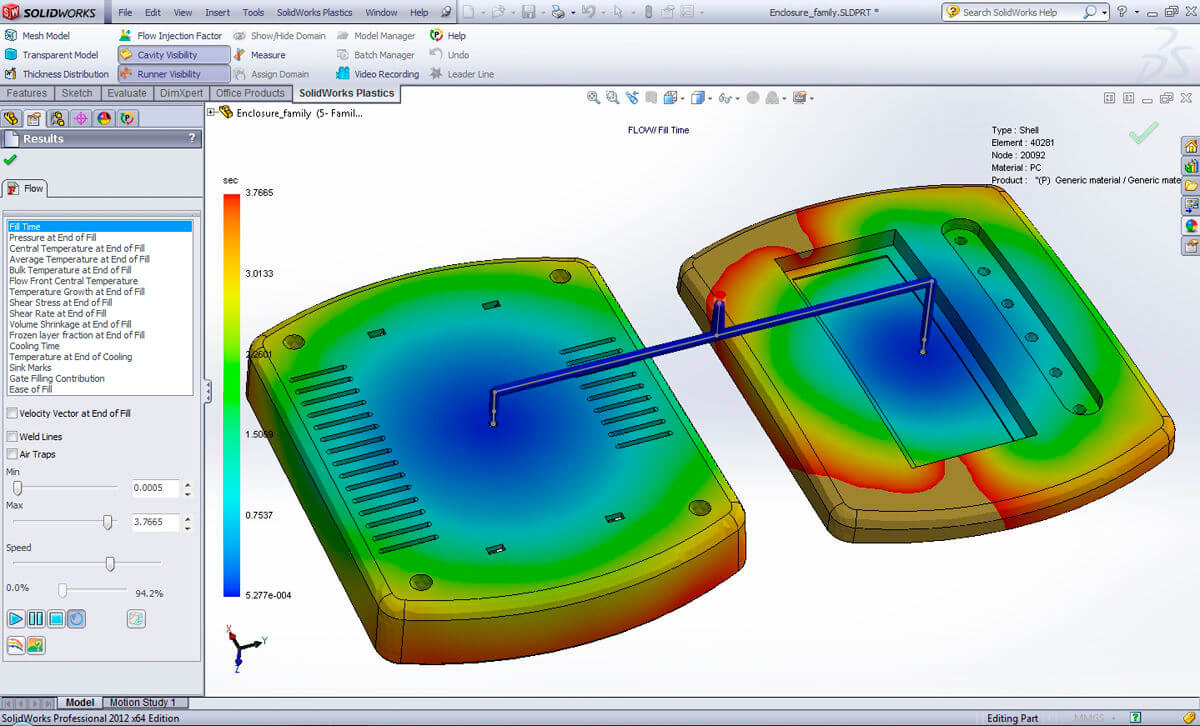
To ensure that the part is not damaged during ejection, designers can use ejector pins, sleeves, or hydraulic ejection systems. Additionally, the ejection system must be designed to withstand the necessary forces required to remove the part from the mold. It is also important to consider the ejection system’s placement about the gating and runner systems, to avoid interference. The runner and gate system controls the flow of molten plastic into the mold cavity. The gate is the entry point for the plastic to enter the cavity, and the runner system channels the plastic to the gate. The gate and runner system design affects the efficiency of the molding process and the quality of finished products.
Hole Features
Insufficient draft angles can lead to undesirable undercuts or sticking of parts, resulting in costly production delays or quality issues. Injection fabrication makes it possible to produce parts in large volumes. This is why it is typically used in mass-production processes, where thousands or even millions of parts are needed.
Incorporating Proper Draft for Textures and Logos

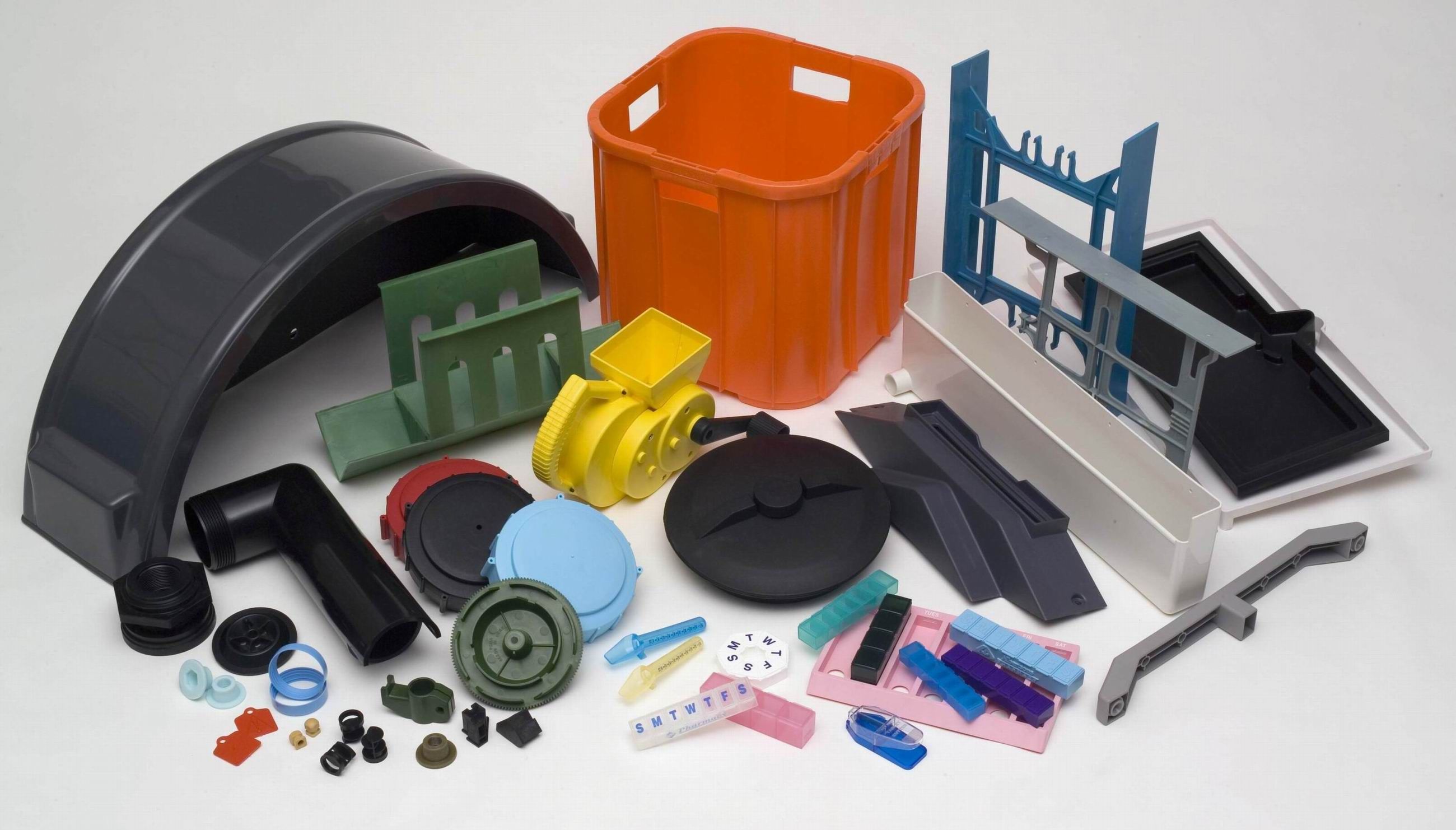
It a process used for manufacturing a wide variety of items from small components to large ones. It uses a granular plastic that is gravity fed from a hopper, forced into a heated chamber by a screw-type plunger, melted, and then pressed against the mold. Rapid injection molding uses aluminum molds that are quick to make, while large-scale production typically uses steel molds. This comprehensive guide is designed to provide you with the essential knowledge and insights you need to understand the basics of design for injection molding. You can minimize all of these concerns through a core-cavity approach.
Injection Mold Design and Custom Tooling
It is made of two halves that form a cavity that can be filled with material. When we are designing injection molded parts, we’re often faced with details requiring tight tolerances such as snap fits, alignment features or interlocking parts. It’s easy to perfectly align and match these features in CAD, but it’s not that easy to repeatedly produce them during production. Most molders prefer these precautionary measures to avoid welding material back into the mold, which is then later machined.
Using Injection Molding to Design a “Smart” Wheelchair Fit for Family - Machine Design
Using Injection Molding to Design a “Smart” Wheelchair Fit for Family.
Posted: Mon, 25 Sep 2023 07:00:00 GMT [source]
The design for injection molding makes it possible to determine the feasibility of the manufacturing method right from the beginning. As such, manufacturers can ascertain if they experience manufacturing challenges with parts stuck in molds. More importantly, it saves time and costs, ensuring the product is affordable and produced within a shorter cycle time. Injection molding is a manufacturing process that involves injecting molten plastic into a mold cavity to create a specific shape or design. The design of the mold, as well as the part being molded, has a significant impact on the success of the process. In fact, packaging is the largest market for injection molding.For example, bottle caps are injection molded from Polypropylene.
Hoffer Plastics' expertise conquers complex metal-to-plastic convers - PlasticsToday
Hoffer Plastics' expertise conquers complex metal-to-plastic convers.
Posted: Thu, 30 Nov 2023 17:40:14 GMT [source]
Use the sample parts that you receive to perform functional testing and dimensional measurements. Expect your samples to be within the tolerances you’ve specified and very close to meeting all of your requirements. Just create a free Fictiv account, upload your CAD file, and then review and incorporate the feedback using the 3D visualization tool built-in to the Fictiv platform. Now that you’ve started your part design and defined some key characteristics, it’s time to upload your design and get expert DFM feedback from Fictiv. Polish isn’t a function of draft, but it’s worth mentioning here because — as with texture — the finish for your part is imparted by the finish of your mold.
The main focus is usually on the finished products, but no part would be made without the mold from which it is formed. The design aspect of a component is often overlooked, but it is the most important. As a process used in high-volume production, injection molding is ideal for producing practically identical parts.
Mold Materials and Surface Finishing
The base thickness of support ribs should be a maximum of two-thirds the thickness of the adjoining wall. Rib height should not exceed 2.5 times the nominal wall thickness (2.5T). To avoid sink marks, the thickness of the boss should not exceed 60% of the overall wall thickness. Since companies rely on injection molding to produce thousands, sometimes millions, of parts, quality control is critical. GatesA gate is an opening in the injection mold tool that allows resin to enter and fill the cavity. For best results, locate ejector pins on part surfaces that are not visible.
Each part produced is going to be the same as the first one, which is important for consistency and reliability. The first solution typically used by larger companies is to generate a short list of preferred vendors based on an extensive analysis of experts within their staff. Smaller companies can select one or two viable molders early in the process by establishing a good-faith business relationship. This informal handshake agreement requires both parties to be mutually honest about the estimated costs and terms of ultimately doing business with one another.
The first step is to prepare the chosen mold material by cutting, shaping, and machining it according to the CAD specifications. This process requires skilled machinists who are proficient in using specialized machinery like computer numerical control (CNC) milling machines and lathes. Given the many design considerations for injection molding, it takes special skills, training, and knowledge to implement all of them and get the part right. This is something only experts are capable of, and you will find plenty of them through Cad Crowd.
Overall, there should be room for tracking critical process parameters such as temperature, pressure, and cycle time. Machinists should be able to easily detect any variations in the process parameters and adjust them in real time to prevent defects in the finished product. To avoid undercuts, you can orient features parallel to the draw line, and incorporate lifters and sliders into the design. Once the part cools, the lifter can push up at an angle to remove the undercut from the mold. In contrast, sliders use angled pins attached to the core mold to release external undercuts. Ejector PinsEjector pins are installed in the B-side of the mold and help to release the plastic part from the tool after the part has cooled sufficiently.
They can accommodate fasteners such as screws and, as with dowel pins, smaller bosses can be inserted into larger bosses within walls. Smooth transitions aren’t the only way to avoid stress concentrations, however. When producing parts massive quantities of identical parts (from 10,000 to 100,000+ units) then special Injection molding tooling is required. At this stage, the typical cost per part varies between $1 and $5, depending on the geometry of your design and the selected material. As we saw in a previous section, fitting multiple parts in the same mold is common practice.
Here, we’ve gathered some basic information and important considerations to help you achieve the desired results. Pad Printing allows for the addition of color graphics to molded parts at scale. This can be used for adding logos, graphics, and instructions on parts. Minerals such as talc and clay are often used as fillers to reduce the cost or increase the hardness of finished parts. Since they do not shrink as much as resins do when cooled, they can reduce warping. Our quoting platform identifies undercut features require side actions with solid arrows and faces with corresponding colors.
The design should ensure that the part can be ejected with a single, unidirectional pull. Therefore, it is important to avoid threads and undercuts while designing parts for injection molding. As you’ve learned from this guide, there’s much to consider when designing injection molded parts. Partnering with Fictiv means that we’ll shoulder the heaviest parts of the burden.


No comments:
Post a Comment